
Character Database
Cartoon Character Color Codes
Every character in Toon Tone has a dedicated color profile — exact HEX, HSB, and RGB values for the body parts used in the game's masked color rounds. Browse the full cartoon character color codes database, then play the round to test how accurately your memory stored each one.
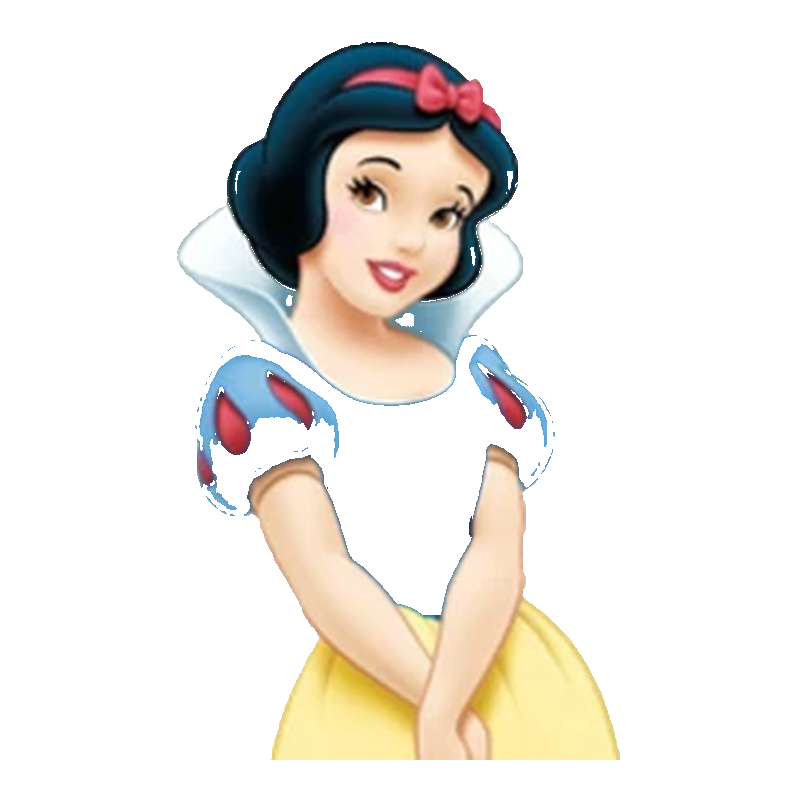
Snow White
Guess the blue dress bodice while the rest of the character art stays intact.
Play Snow White round ->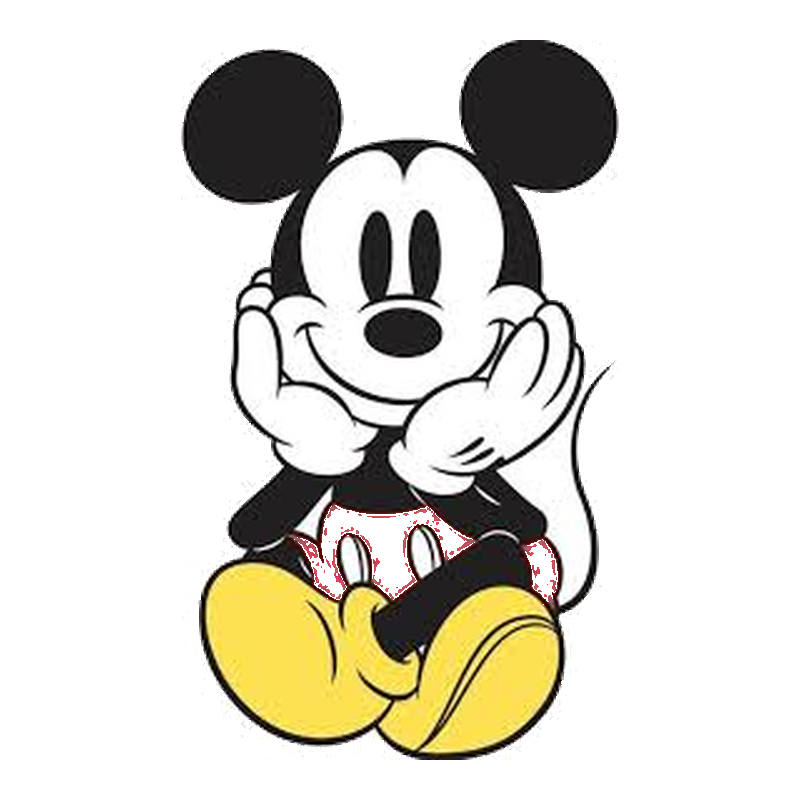
Mickey Mouse
Guess Mickey's red shorts from memory using the HSB sliders.
Play Mickey round ->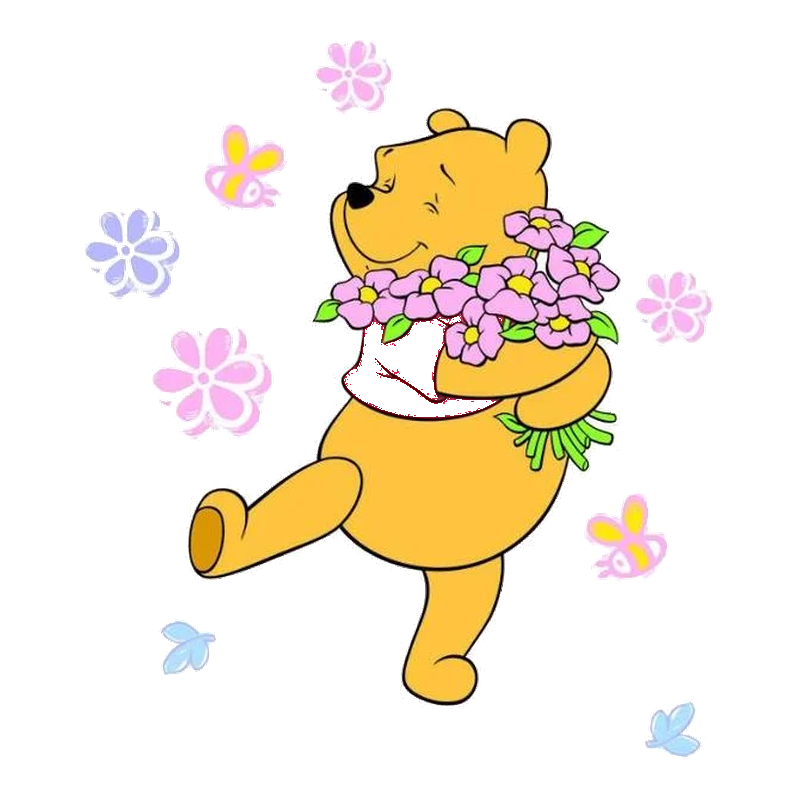
Winnie the Pooh
Guess Pooh's red shirt while the yellow body and flowers remain fixed.
Play Pooh round ->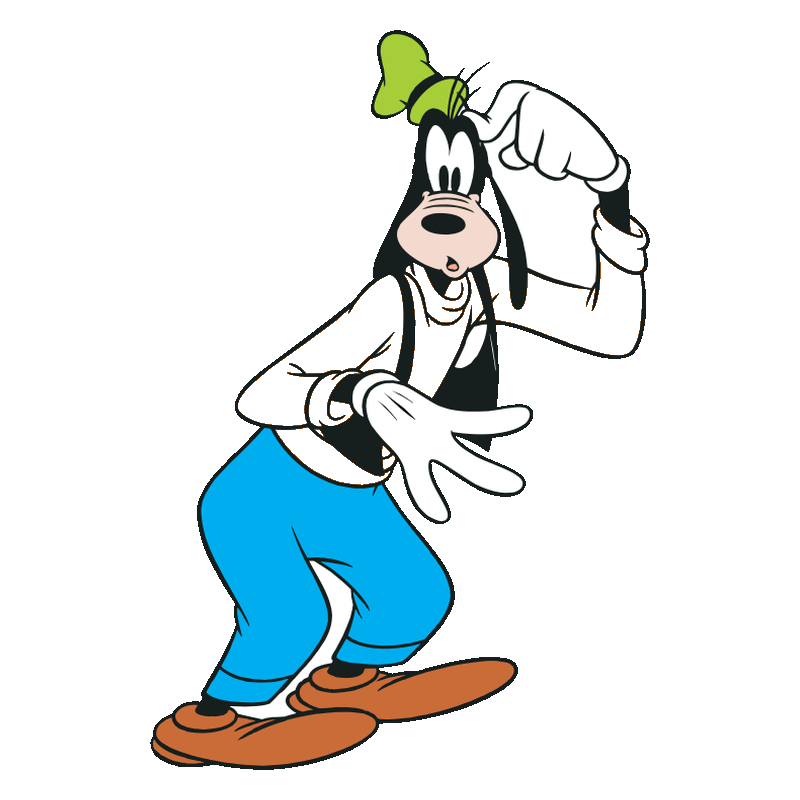
Goofy
Guess Goofy's orange sweater in a full-body masked character image.
Play Goofy round ->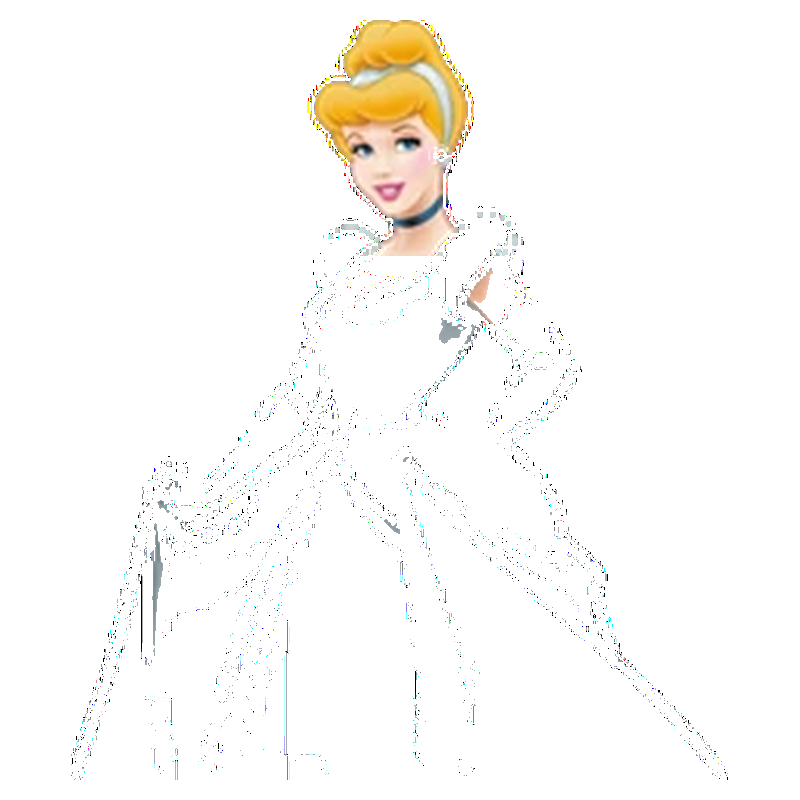
Cinderella
Guess Cinderella's pale blue dress from memory.
Play Cinderella round ->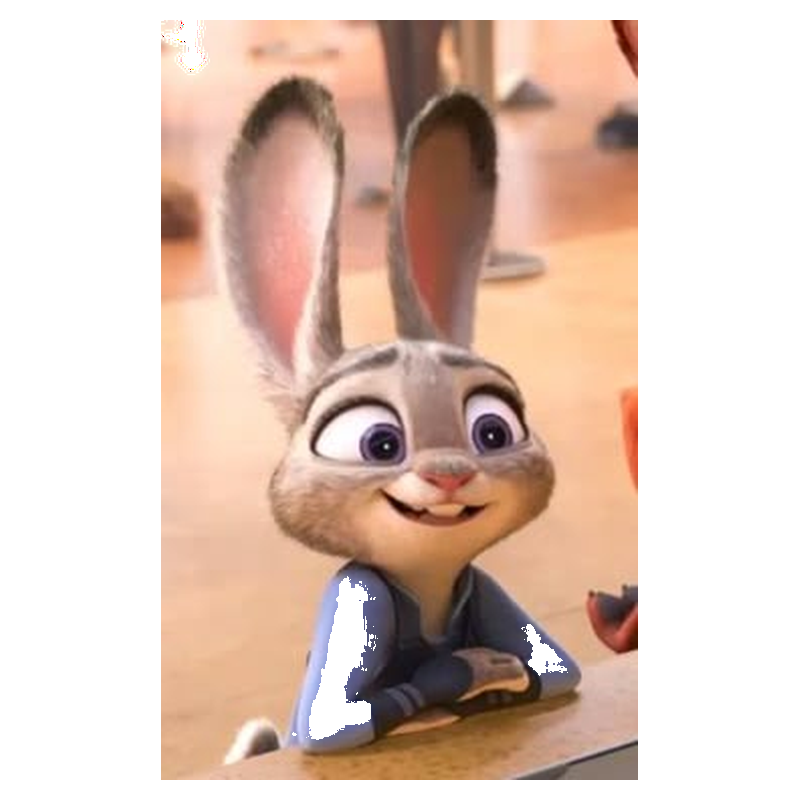
Judy Hopps
Guess Judy's blue uniform in a Zootopia color round.
Play Judy round ->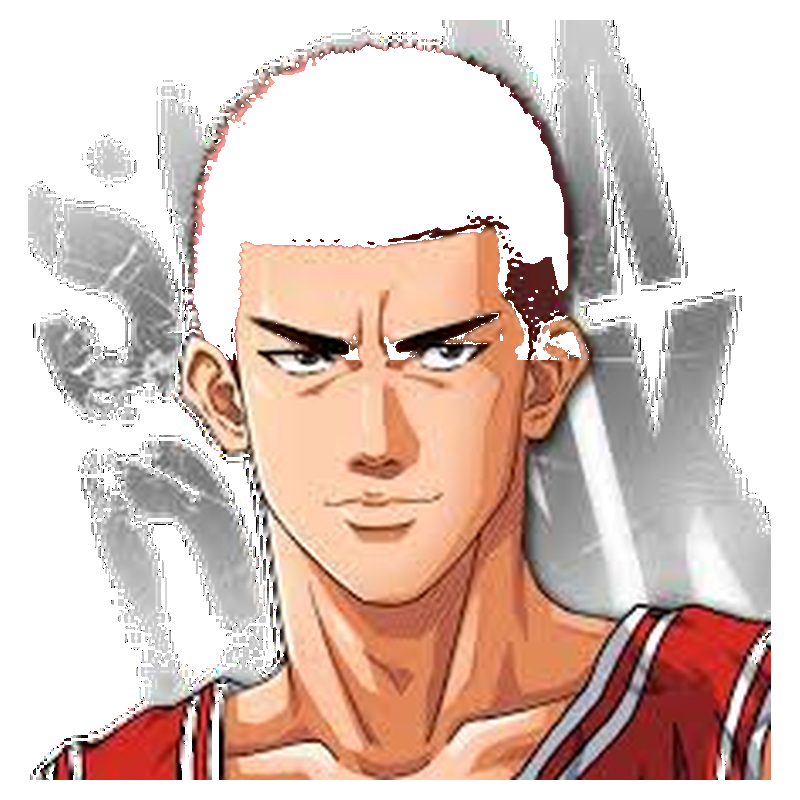
Hanamichi Sakuragi
Guess Hanamichi's vivid red hair from Slam Dunk.
Play Hanamichi round ->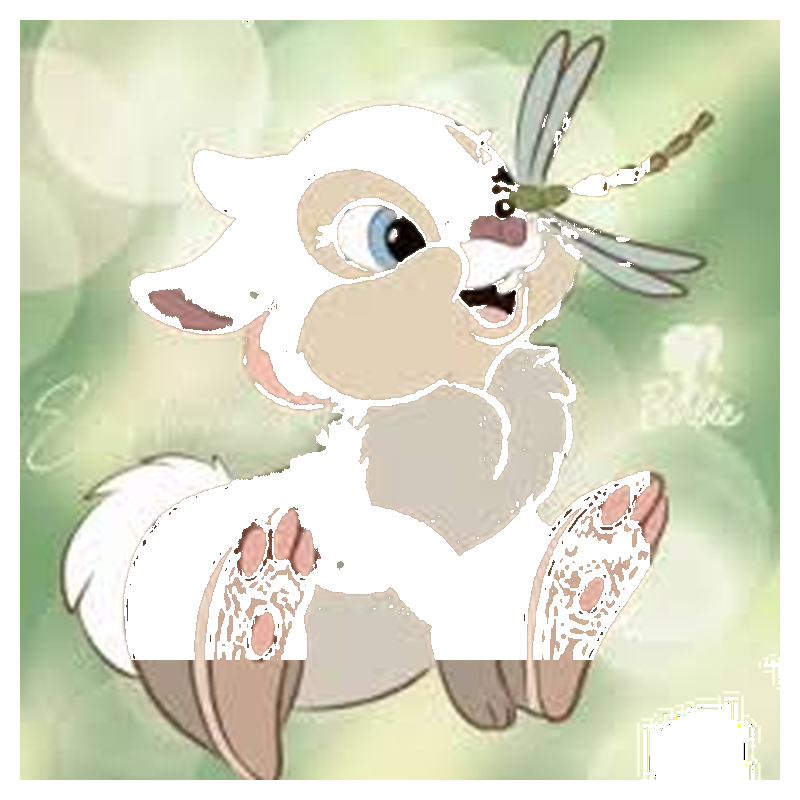
Thumper
Guess Thumper's warm taupe body fur.
Play Thumper round ->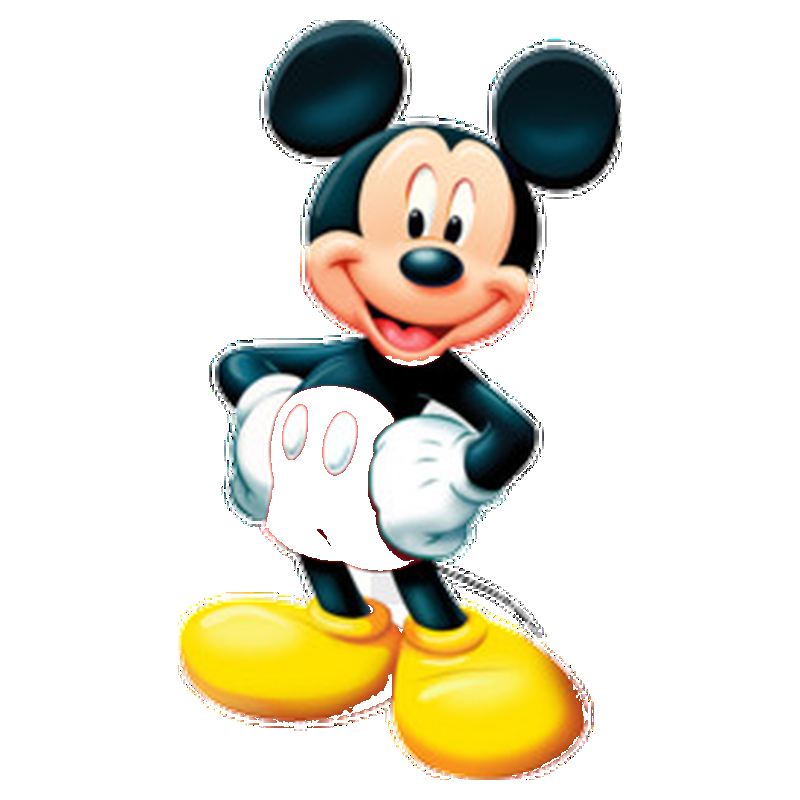
Mickey Mouse Classic
Guess the classic red shorts on the standing Mickey artwork.
Play Mickey round ->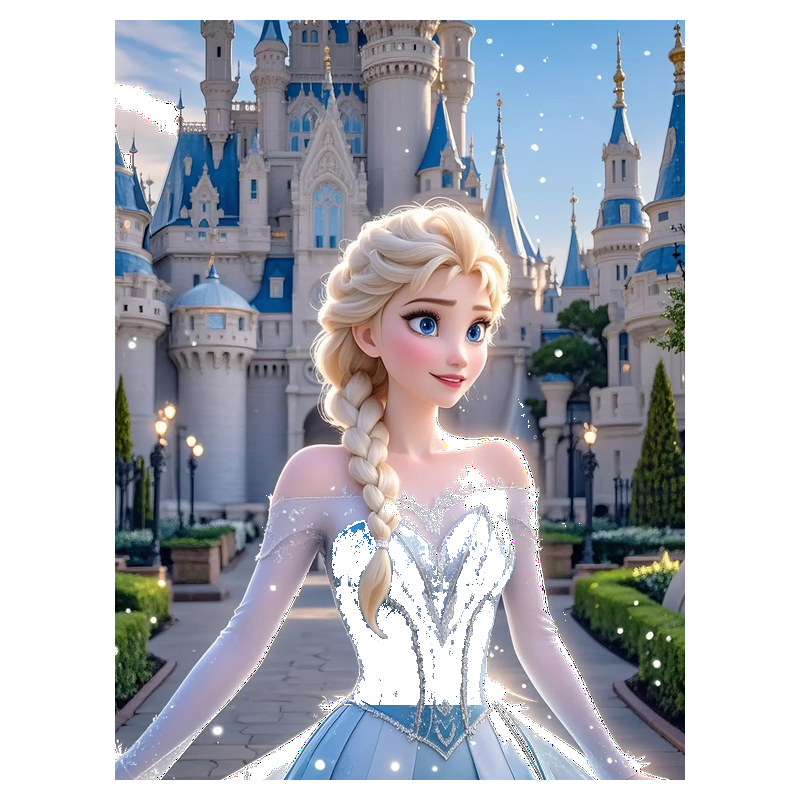
Elsa
Guess Elsa's ice blue dress against the castle scene.
Play Elsa round ->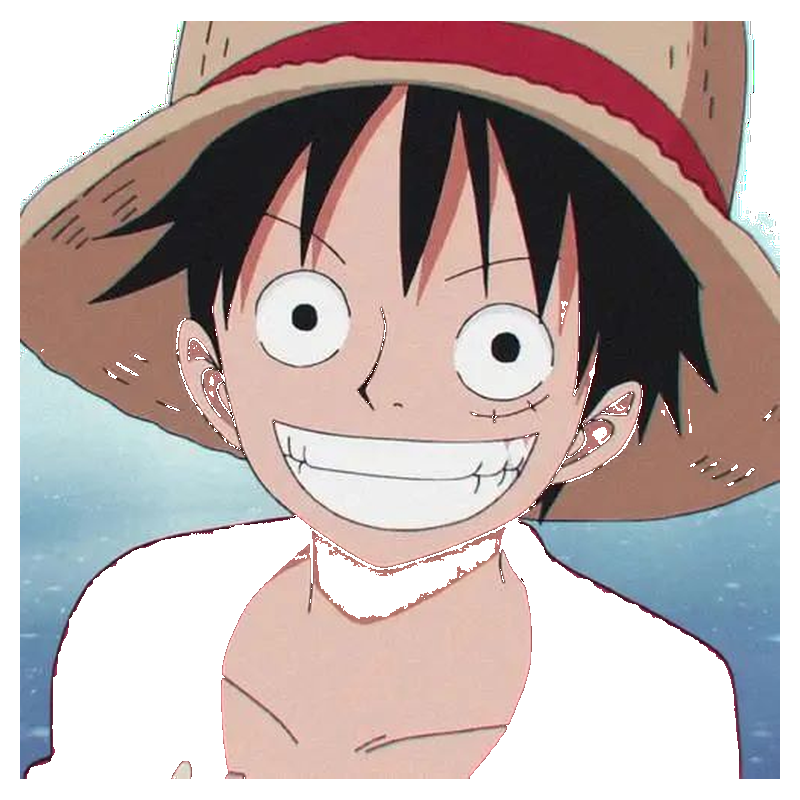
Monkey D. Luffy
Guess Luffy's red vest from memory.
Play Luffy round ->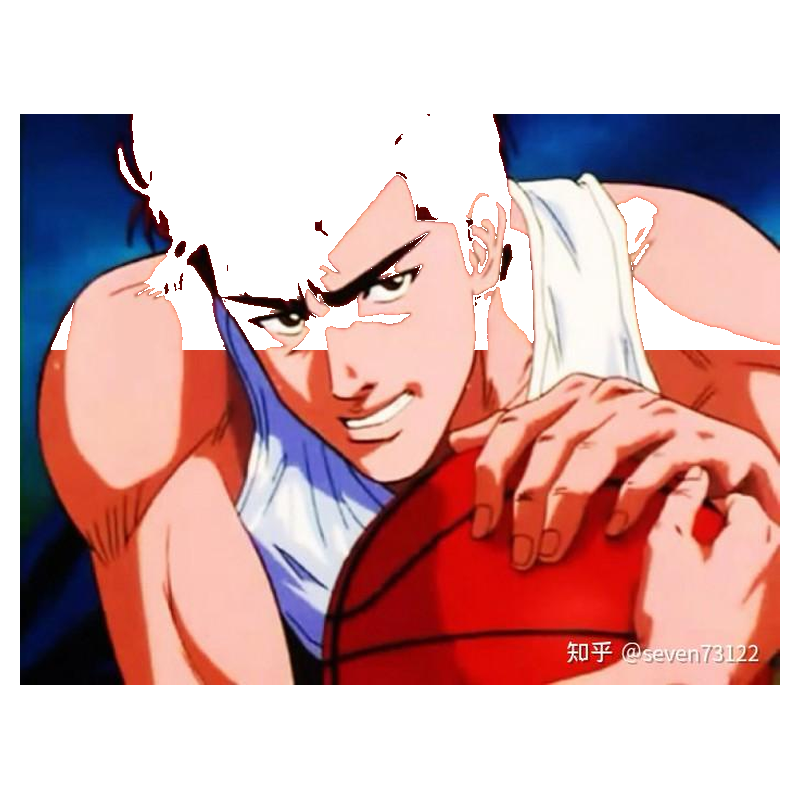
Hanamichi Basketball
Guess the red-orange hair in the basketball shot.
Play Slam Dunk round ->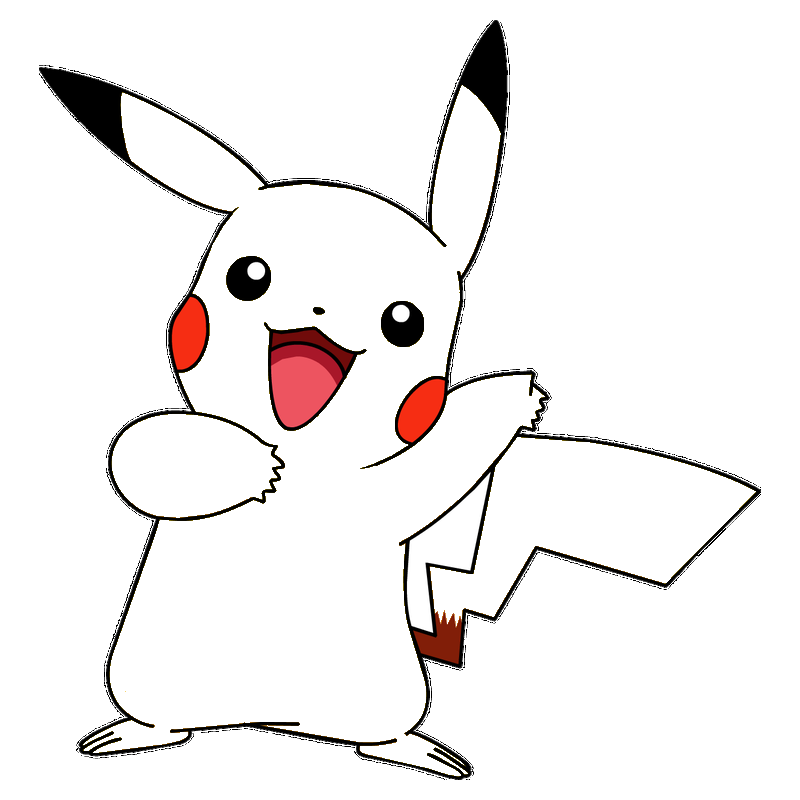
Pikachu
Guess Pikachu's yellow body tone without the original fill.
Play Pikachu round ->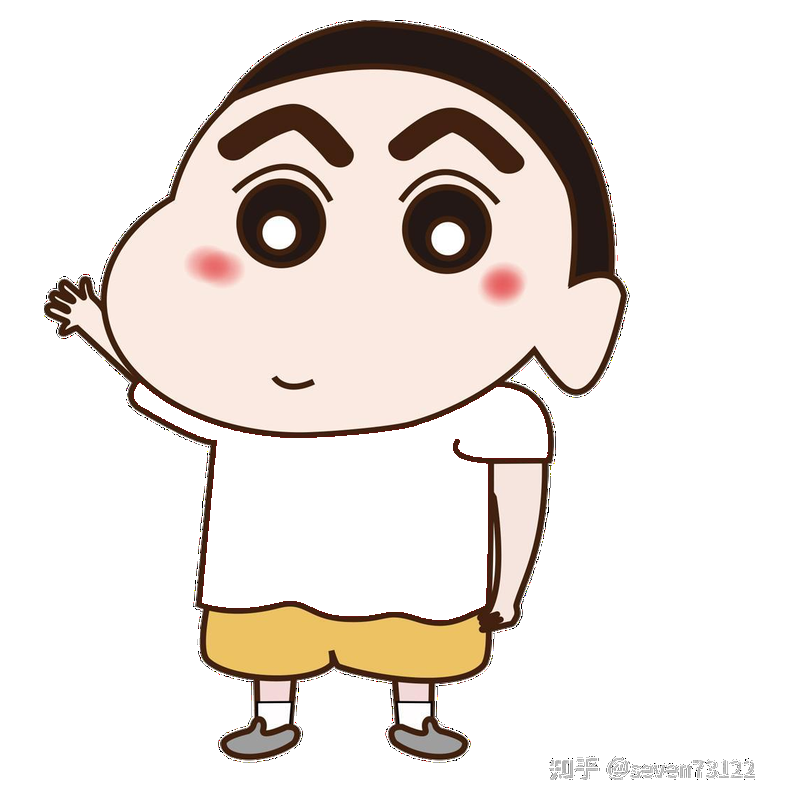
Shin-chan
Guess Shin-chan's bright red shirt.
Play Shin-chan round ->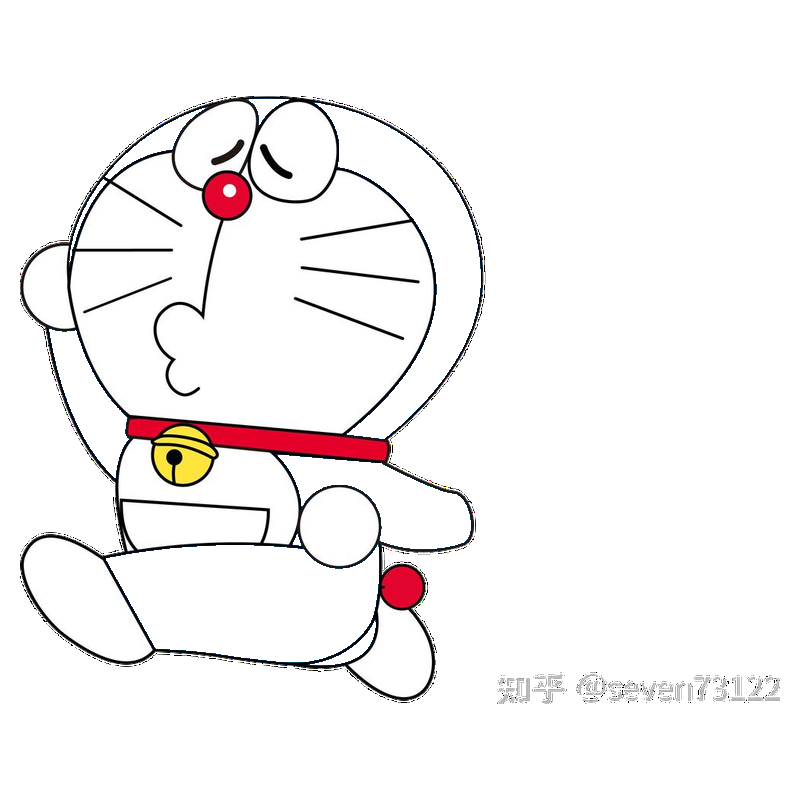
Doraemon
Guess Doraemon's blue body color with HSB sliders.
Play Doraemon round ->
Conan Edogawa
Guess Conan's blue suit color from memory.
Play Conan round ->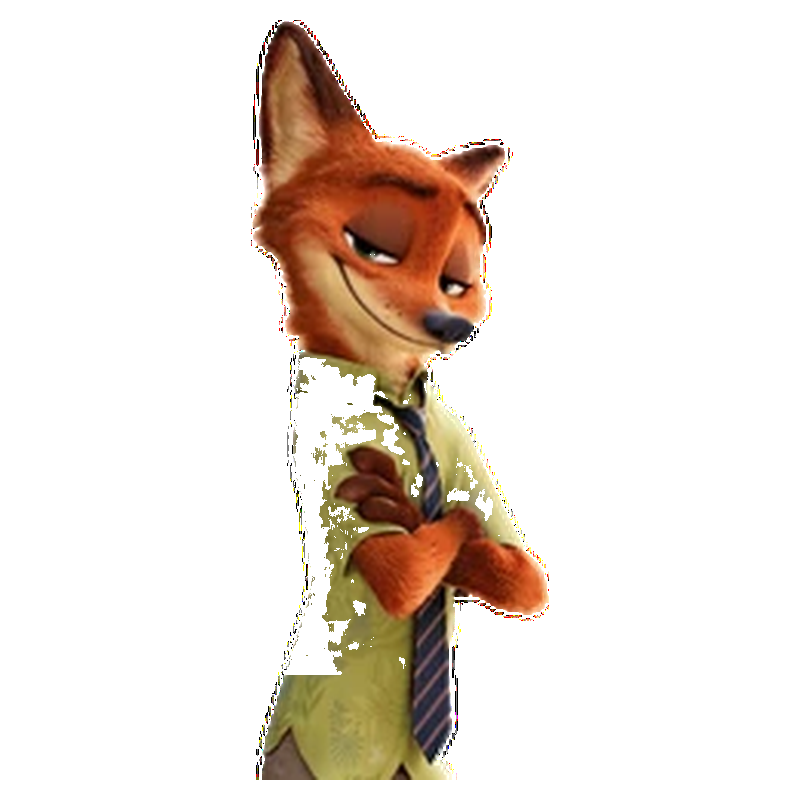
Nick Wilde
Guess Nick Wilde's green shirt in the Zootopia artwork.
Play Nick round ->More character profile pages with full HEX, HSB, and RGB breakdowns are on the way. Already live: Pikachu and SpongeBob.
What Are Cartoon Character Color Codes?
Cartoon character color codes are the precise numerical values — expressed in HEX, HSB, or RGB format — that define the exact tones used for a character's skin, hair, clothing, and accessories. Every animated production works from a color bible: a reference document that ensures Pikachu's yellow looks identical across thousands of frames, or that Doraemon's blue stays consistent between the manga, the anime series, and theatrical films. Without that reference, colors drift — and fans notice immediately.
Toon Tone's cartoon character color codes database documents those reference tones for every character used in the game. Every value is taken from high-quality source material — not compressed screenshots — and checked across multiple frames to account for lighting variations, shadow overlays, and compression artifacts. The result is a color code you can trust for fan art, design work, or settling an argument.
Why Cartoon Character Color Codes Matter
The short answer is memory. When you play Toon Tone, you're testing how accurately your brain stored a specific color over years of watching. The cartoon character color codes published here serve two purposes: they give players a precise reference after each round so they can see exactly where their memory drifted, and they're genuinely useful for anyone creating work inspired by these characters.
Fan artists reach for cartoon character color codes constantly. Working from a screenshot sounds easy until you realize the same character can appear three shades lighter under bright studio lighting than in a forest scene. Official HEX and RGB values cut through that ambiguity — you get the production's intended base color, not a scene-specific variation caused by a warm sunset filter or a JPEG compressed down to 60% quality.
Animation students use cartoon character color codes as a study tool: understanding why a production chose a particular saturation level or hue angle reveals deliberate decisions about character personality, readability, and brand recognition. Pikachu's yellow sits at roughly 51° hue with near-maximum saturation — a choice that reads instantly on any background. Mickey Mouse's red shorts push closer to 0° with high saturation — aggressive, attention-grabbing, impossible to confuse with anything around it.
HEX, HSB, and RGB — Three Formats, Three Use Cases
Toon Tone documents every entry in three formats because different workflows need different values:
HEX — codes like #F5C914 or #15A4D1 are the standard
for web browsers, design tools like Figma and Adobe XD, and most digital illustration apps.
Six characters encode the red, green, and blue values in base-16. Paste directly into Photoshop,
Procreate, or a CSS stylesheet without any conversion.
HSB (Hue, Saturation, Brightness) is the format Toon Tone's sliders use — and the format closest to how the human eye reasons about color. When you describe Pikachu as "a warm, very saturated yellow," you're already thinking in HSB terms. Hue places the color on the spectrum (0–360°), Saturation controls how vivid or washed-out it is (0–100%), and Brightness controls how light or dark it sits (0–100%). This is why HSB is the format professional designers reach for when they want to adjust a color with precision rather than guessing at RGB channel values.
RGB breaks every color into red, green, and blue light channels on a 0–255 scale. It's the fundamental format for screen display, digital illustration, and export pipelines. When a cartoon character color code lists RGB(245, 201, 20), every design application in existence can read and reproduce that value exactly.
Characters in the Database — Four Animation Traditions
The cartoon character color codes currently in Toon Tone span four major animation traditions, each with its own color philosophy:
Disney classic animation — Snow White, Mickey Mouse, Cinderella, Elsa, Winnie the Pooh, Goofy, and others. Disney's production color bibles are among the most rigorously maintained in the industry. The pale blue of Snow White's bodice and the saturated red of Mickey's shorts have been kept visually consistent for nearly a century — making them ideal test cases for long-term color memory.
Anime — Doraemon, Monkey D. Luffy, Conan Edogawa, Shin-chan, and Hanamichi Sakuragi. Anime cartoon character color codes typically sit in highly saturated, high-contrast territory. Doraemon's cyan body, Luffy's vivid red vest, Shin-chan's bright red shirt — these are tones the brain files away with confidence. That confidence, as players discover, doesn't always translate to accuracy when you're reconstructing the value from scratch with an HSB slider.
Pokémon — Pikachu sits at the intersection of both traditions, with a dedicated cartoon character color codes page covering the yellow body, brown markings, red cheeks, and the specific black tip on the tail. See the Pikachu color codes page for the full breakdown.
Zootopia — Judy Hopps and Nick Wilde represent the most naturalistic, desaturated palette in the current database. Judy's uniform sits in a muted navy-blue range; Nick's shirt is an understated olive green. These rounds consistently separate players who've trained their color eye from those relying on broad-stroke memory.
How ToonTone Documents Cartoon Character Color Codes
Each color entry goes through a three-step verification process before it enters the database. First, the source material is identified — official merchandise imagery, high-quality production stills, or Blu-ray-sourced frames where available. Second, the color is sampled from the unlit, unshaded region of the character, since animation lighting rigs add artificial highlights and shadows that don't represent the base production color. Third, values are cross-referenced across at least three separate frames to confirm they're stable across scenes and seasons.
This matters because cartoon character color codes pulled carelessly from a Google image search are often meaningfully wrong. A scene shot with a warm-filter sunrise, a JPEG compressed to half its original quality, or a fan-scan of a print poster — all of these introduce color drift that can push a color 10–20° off in hue and 15–25 points off in saturation. That's the kind of error that shows up immediately when you're trying to match a color in Procreate — and it's exactly what Toon Tone's values are built to prevent.
Using Cartoon Character Color Codes for Fan Art and Design
All cartoon character color codes documented on Toon Tone are free to reference for personal fan art, cosplay, design projects, and educational work. The values represent documented observations of colors as they appear in official source material; Toon Tone is an independent fan project not affiliated with any animation studio or rights holder.
For digital illustration in Procreate or Photoshop, paste the HEX code directly into the color picker. For fabric dyeing or physical production, use the HSB values as a reference when working with a color-matching service. For motion graphics or web development, the RGB values drop straight into any CSS or code-based workflow.
Cartoon Character Color Codes — FAQ
What format should I use for fan art — HEX or RGB?
For digital illustration tools like Photoshop, Procreate, Clip Studio Paint, and Figma, paste the HEX code directly into the color picker — it's the fastest path from the database to your canvas. For motion design tools or code-based workflows, use the RGB values. HSB is most useful when you're adjusting colors interactively or working with a tool that exposes the HSB color model natively, like Toon Tone's own sliders.
Why does Pikachu's yellow look different in different images?
Pikachu's yellow varies across sources for three reasons: JPEG compression introduces color shifts in any saved screenshot; display screens vary in calibration, shifting perceived warmth and brightness; and different seasons of the Pokémon anime applied slightly different color grading to the whole production. Toon Tone's cartoon character color codes are sampled from uncompressed, high-quality source material and represent the production's intended base color, not a scene-specific variation.
Are the cartoon character color codes here official values?
The values documented here represent careful observation and sampling of official source material. Toon Tone is an independent fan project and is not affiliated with any animation studio, network, or rights holder. The cartoon character color codes are presented purely for reference and educational use. Where values have been debated, Toon Tone notes the variance and explains the methodology used to arrive at the published figure.
Which characters are getting full color profile pages next?
Homer Simpson, SpongeBob SquarePants, Stitch, Goku, and Bart Simpson are next up for full cartoon character color codes pages with per-body-part breakdowns. Pikachu and SpongeBob are already live — find them in the character grid above.